Concrete driveway resurfacing is one of those services that sounds like the perfect middle ground — cheaper than full replacement, more effective than spot patching. In the right situation, it is exactly that. In the wrong situation, it’s money spent on a cosmetic fix that delays the inevitable and ends up costing more than replacement would have.
For High Desert homeowners in Victorville, Apple Valley, and Hesperia, understanding when resurfacing is worth it requires knowing what the Mojave climate does to concrete over time and what a resurfacing overlay can and cannot address. This guide provides a clear framework for making that decision honestly.
What Concrete Resurfacing Actually Is
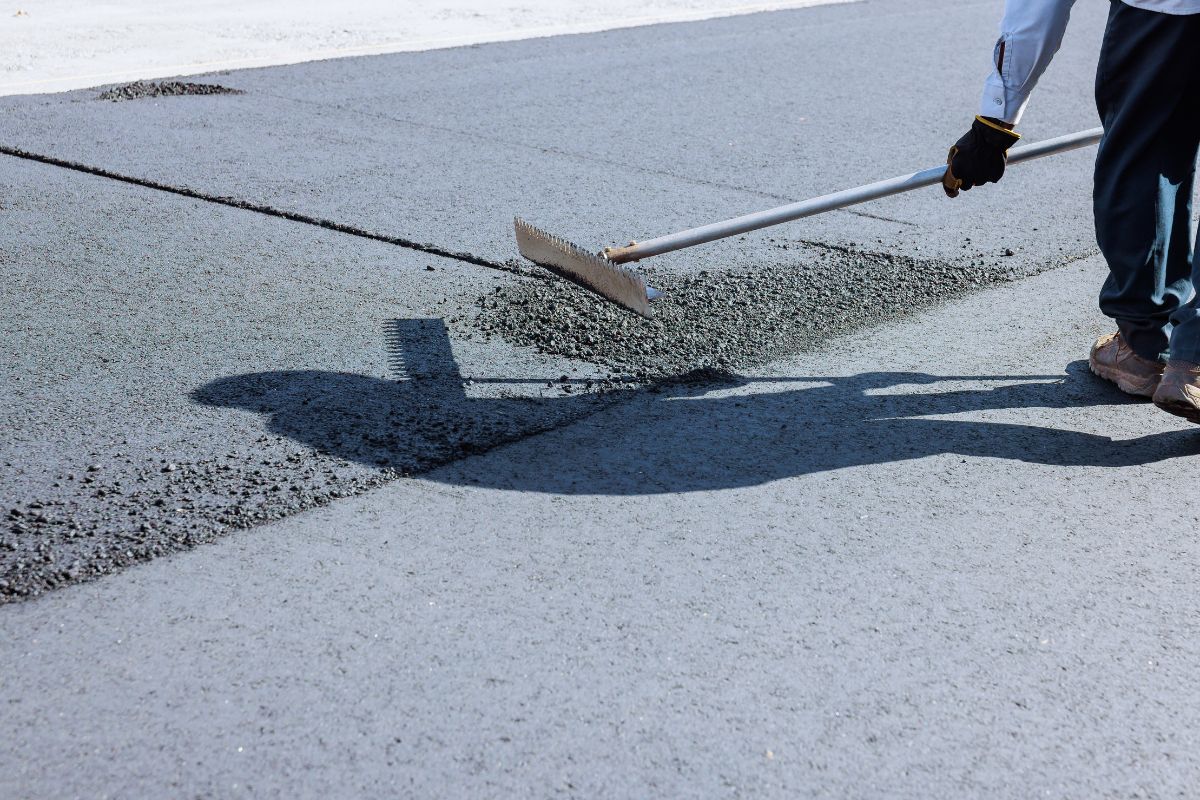
Resurfacing applies a new layer of specialized concrete material — typically a polymer-modified overlay ranging from 1/4 inch to 1/2 inch thick — over an existing slab. This new layer bonds chemically and mechanically to the prepared existing surface, creating a fresh appearance and a new wear surface without the cost of full demolition and replacement.
The process begins with thorough surface preparation. Viva Concrete uses industrial diamond grinders to remove the top layer of old, contaminated concrete — a step that opens the pores of the existing slab and allows the new overlay to achieve a true mechanical bond rather than simply sitting on top. A resurfacing overlay that isn’t bonded to a properly prepared surface will delaminate and peel, often within the first season of High Desert thermal cycling.
What Resurfacing Can Fix
Resurfacing is an effective solution for surface-level deterioration that hasn’t compromised the structural integrity of the underlying slab. Specifically, it addresses cosmetic cracking at control joints, surface spalling or scaling limited to the top layer, moderate surface pitting or roughness from weathering, fading or staining on decorative finishes, and general surface wear on driveways that are still structurally sound.
In the High Desert context, resurfacing is also a cost-effective way to apply a new decorative finish — stamped patterns, texture, or color — to an existing slab that has aged cosmetically but remains structurally solid. Viva Concrete can apply stamped overlays and decorative finishes over qualifying slabs across Victorville, Apple Valley, and Hesperia at significantly less cost than full replacement.
What Resurfacing Cannot Fix
Resurfacing cannot address structural problems. A new overlay applied over a slab with widespread structural cracking, significant settling or heaving, subgrade failure, or active drainage issues will not perform. The overlay is thin — a quarter to half inch — and has no ability to bridge structural movement or compensate for a compromised base. When the underlying slab continues to move and crack, the overlay moves and cracks with it.
If your driveway is showing any of the signs that indicate structural failure rather than surface wear — widespread cracking across multiple sections, noticeable settling or heaving, or persistent drainage problems — resurfacing is not the right solution. The post on 5 signs your concrete driveway needs full replacement covers how to distinguish surface deterioration from structural failure before making a decision.
The High Desert Resurfacing Decision Framework
Before recommending resurfacing, Viva Concrete evaluates three criteria on every assessment visit. First: is the existing slab structurally sound with no significant settling, heaving, or widespread cracking? Second: is the surface deterioration limited to the top layer with the body of the slab intact? Third: is the drainage pattern of the existing slab still correct, directing water away from the structure?
If all three answers are yes, resurfacing is worth serious consideration. If any answer is no, replacement is the more cost-effective long-term decision — and the one Viva Concrete will recommend honestly rather than taking the resurfacing job when it isn’t the right call.
Cost Comparison: Resurfacing vs Full Replacement in the High Desert
| Factor | Resurfacing | Full Replacement |
| Cost per sq ft | $3 – $7 | $6 – $14 |
| 500 sq ft driveway estimate | $1,500 – $3,500 | $3,000 – $7,000 |
| Addresses surface issues | Yes | Yes |
| Addresses structural issues | No | Yes |
| Corrects drainage problems | No | Yes |
| Expected lifespan added | 8 – 15 years | 30 – 50 years |
| Subgrade prep required | No (if slab is sound) | Yes — full excavation |
| Finish/pattern options | Yes — stamped, texture, color | Yes — full range |
Resurfacing Finish Options for High Desert Driveways
One of the most compelling reasons to consider resurfacing when the underlying slab qualifies is the range of finish options available. Resurfacing is not just a gray patch — it’s an opportunity to upgrade the appearance of an existing slab substantially.
Viva Concrete can apply stamped overlays that mimic slate, stone, or brick patterns; spray-texture finishes that improve slip resistance in the High Desert heat; UV-stable color staining that gives existing gray concrete a rich, marbled appearance; and broom or exposed aggregate textures that refresh a worn surface. All decorative overlay products used by Viva Concrete are selected for UV stability and thermal performance in Mojave Desert conditions — the same standard applied to new stamped and decorative concrete installations.
The Resurfacing Process: What to Expect
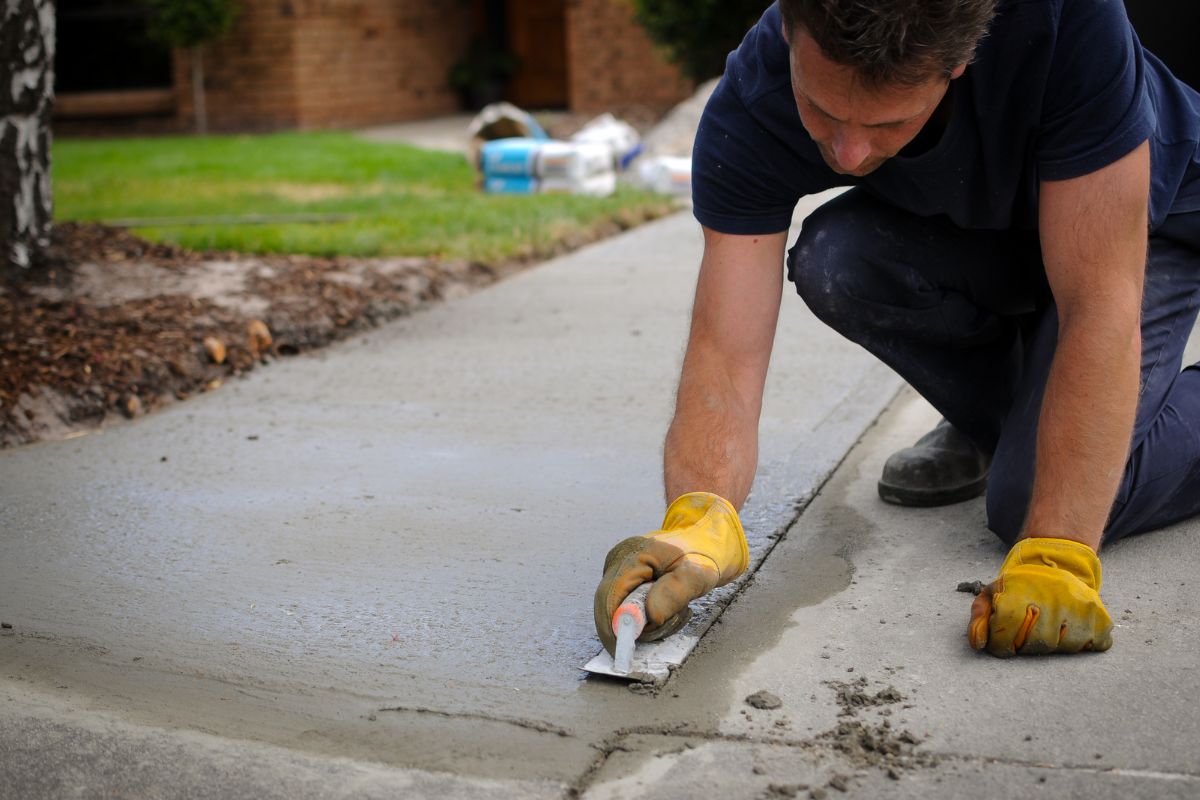
A professional resurfacing project by Viva Concrete follows a defined sequence. The existing surface is thoroughly cleaned and all contamination — oil stains, dirt, loose concrete — is removed. Industrial diamond grinding opens the pores of the existing slab to prepare for mechanical bonding. Any isolated cracks are filled and stabilized before the overlay is applied. The overlay is mixed, applied at the specified thickness, finished to the selected texture or pattern, and cured with appropriate compounds for High Desert conditions.
Cure time before vehicle use is typically 24 to 48 hours for a standard overlay in normal High Desert temperatures. In peak summer heat, the crew adjusts application timing and curing methods to prevent the rapid surface drying that can compromise bond strength — the same wind and heat management protocols applied to all Viva Concrete pours.
Maintenance After Resurfacing
A resurfaced driveway requires the same maintenance discipline as a new concrete surface — professional sealing every two to three years, joint sealant inspection and replacement as needed, and prompt attention to any new cracking before water can infiltrate beneath the overlay. Viva Concrete’s concrete maintenance services are available to High Desert homeowners across Victorville, Hesperia, Adelanto, Phelan, Oak Hills, Barstow, and Rancho Cucamonga.
Getting an Honest Assessment
The only way to know with confidence whether your driveway qualifies for resurfacing or needs replacement is a professional on-site evaluation. Viva Concrete provides free assessments across the entire High Desert service area — and the recommendation that comes out of that visit will be the honest one, not the one that maximizes the job value. Call +1 323 209 0101 or reach out through the contact page to schedule a free site visit.
Viva Concrete provides professional concrete repair, resurfacing, and maintenance services across the High Desert. Call +1 323 209 0101 for a free estimate.