Engineering Stability
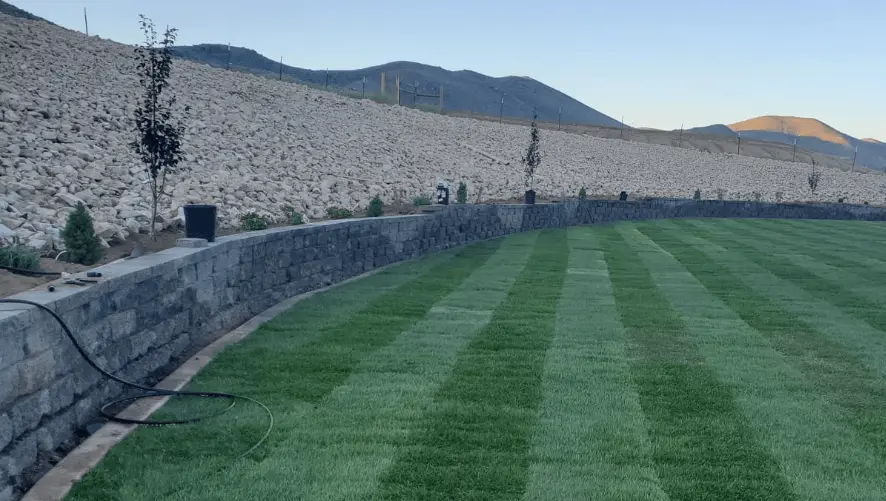
In the High Desert, the terrain is rarely perfectly flat. From the foothills of Oak Hills to the sloped lots in Hesperia, managing elevation is a necessity for both safety and property value. At Viva Concrete, we specialize in structural retaining walls that do more than just hold back dirt—they provide the architectural backbone for your landscaping. A poorly constructed wall is a liability; it can lean, crack, or collapse under the pressure of saturated soil during a Mojave rainstorm. Our walls are engineered to withstand “lateral earth pressure” and are designed to last for generations. Whether you need to create a level building pad for a new ADU or you want to terrace a steep backyard for a garden, our Victorville-based team provides the most durable solutions in the region.
Built for extreme conditions and lasting durability.
To provide a 1,000-word level of insight, we must look behind the face of the wall. The strength of a retaining wall is determined by what you don’t see.
We dig deep. For every foot of wall height, we ensure the footing is wide and deep enough to prevent “overturning” or “sliding.” In areas with sandy soil like Apple Valley, we use wider footings to distribute the load across a larger surface area.
We utilize a vertical and horizontal grid of Grade 60 rebar. These bars are tied directly into the footing, creating a single, monolithic unit that uses the weight of the footing to anchor the wall against the weight of the hillside.
Water is the #1 killer of retaining walls. When soil gets wet, it becomes incredibly heavy. We install perforated “French Drains” behind the wall, wrapped in filter fabric to prevent clogging. We also incorporate “weep holes” every few feet to allow moisture to escape, preventing the wall from bowing outward.
We don’t backfill with native desert dirt. We use “Clean Crushed Rock” or gravel for the first 12-18 inches behind the wall. This allows water to drop straight to the drainage pipe rather than pushing against the concrete.
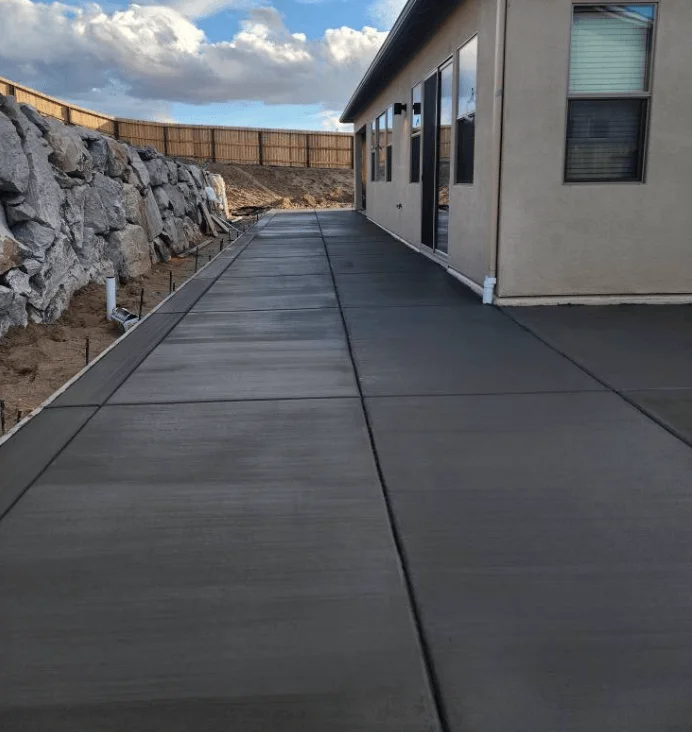
For properties in Hesperia and Phelan, wind and water erosion are constant threats. A lack of proper concrete curbing or retaining structures can lead to “undermining,” where the soil beneath your driveway or home foundation washes away. Viva Concrete provides:
+1 323 209 0101
At Viva Concrete, we offer both poured-in-place concrete and Concrete Masonry Unit (CMU) block walls.
This is the “gold standard” for strength. By pouring liquid concrete into forms with a dense rebar cage, we create a seamless barrier that is virtually indestructible. This is ideal for high-pressure situations or modern architectural designs.
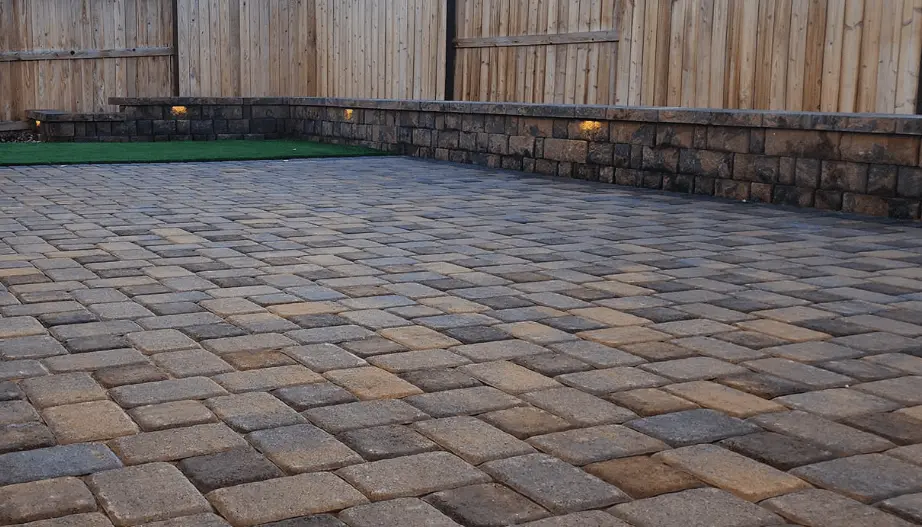
Often the choice for residential boundaries in Victorville, these are reinforced with steel and then “slump-filled” (filling the hollow cores of the blocks with concrete). We can finish these with stucco, stone veneer, or leave them as precision-laid blocks for a clean look.
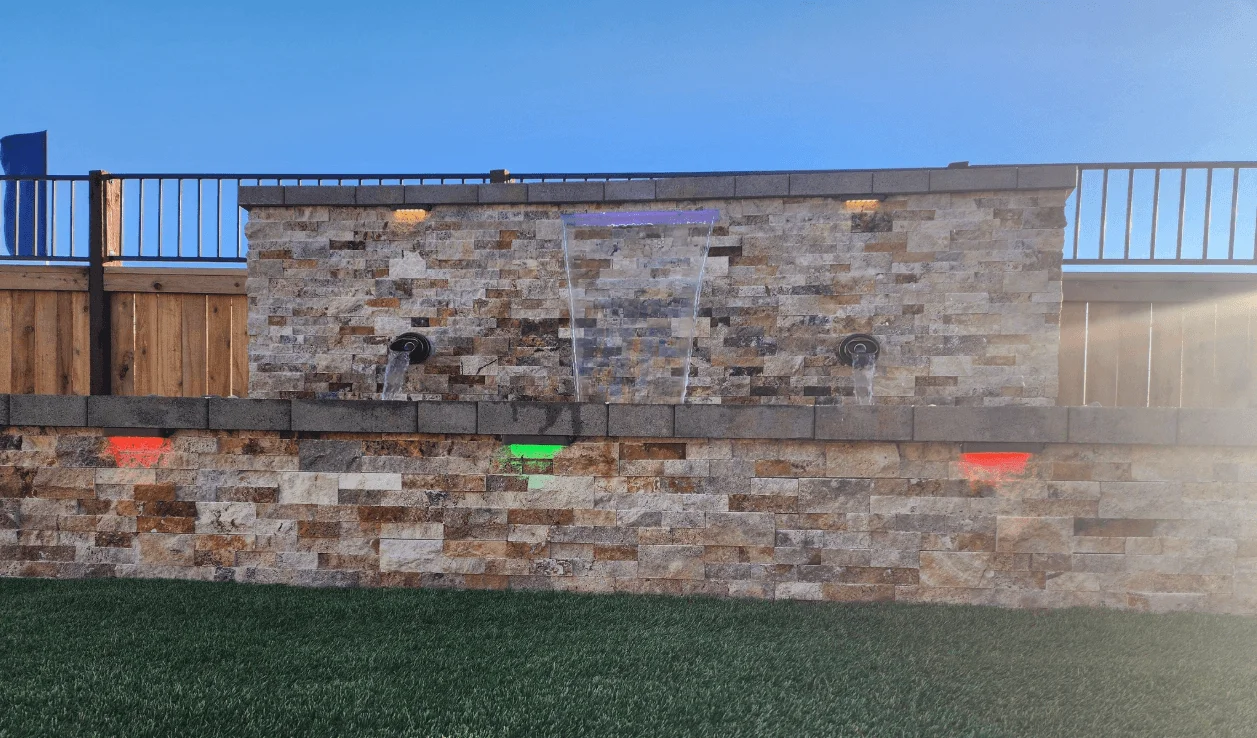
A retaining wall doesn’t have to be an eyesore. We can apply stamped textures to poured walls or use decorative split-face blocks to turn a functional necessity into a beautiful landscape feature.